
Author
Team Healthgroovy
Why Australians Who Buy Spices in Bulk Cook Better, Waste Less, and Never Run Out
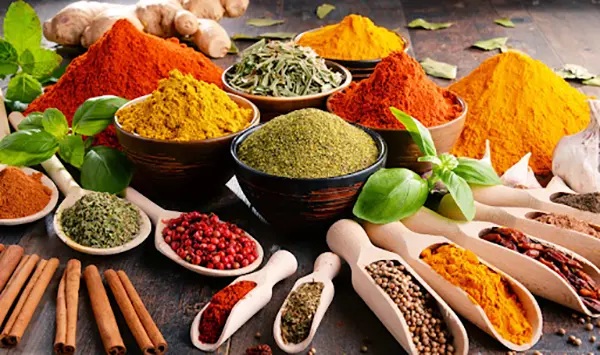
Nobody warns you about the gap between a spice that works and one that just looks like it should. That gap sits quietly inside most kitchen pantries, hiding behind labels, sealed lids, and use-by dates that tell you almost nothing useful. The decision to buy spices in bulk tends to close that gap in ways that show up immediately in food — not as a theory, but as flavour that wasn’t there before.
The Moment Grinding Happens
Grinding a spice breaks open the cell walls that kept its essential oils sealed. From that moment, evaporation begins. It does not pause for packaging. It carries on through warehousing, through transport, through shelf time, right up until the jar is opened in a home kitchen. Pre-ground spice bought from a supermarket has been losing its character since before it was sealed. Not all of it — enough of it. Enough that the difference between that and freshly ground whole seed is obvious the moment both are placed side by side.
Whole Seeds Hold Longer
A coriander seed, a cumin seed, a cardamom pod — these are effectively their own packaging. The outer structure protects the oils inside until the moment it’s broken. Buying whole spices in quantity and grinding small amounts as needed isn’t a restaurant habit that doesn’t translate to home cooking. It’s just a more sensible way to handle an ingredient that degrades faster once it’s processed. The spice used on a Tuesday is genuinely fresher than anything pre-ground bought the same week.
What Blends Are Actually Made Of
Supermarket spice blends are formulated to hit a consistent flavour profile at the lowest viable production point. That means expensive ingredients — good cardamom, quality cassia bark — get reduced or swapped. Fenugreek gets dialled back because it divides opinion. The blend ends up tasting like a compromise between what it should be and what was affordable to produce. When someone starts to buy spices in bulk and blend from scratch, they find out quickly what those commercial versions were missing. A homemade baharat or garam masala built from whole toasted spices occupies a completely different flavour register.
Toasting Before Grinding
Dry-toasting whole spices in a pan before grinding them develops flavour compounds that simply do not exist in the raw seed. Cumin loses its raw sharpness and deepens. Mustard seeds turn nutty. Fennel softens. These are not minor tweaks to an existing flavour — they are genuinely different ingredients after toasting, in the same way that roasted garlic and raw garlic are not interchangeable. Pre-ground spice cannot be toasted to the same effect. The cell walls are already gone. This is one of the things that bulk buying quietly makes possible, because whole spices become the starting point rather than the exception.
Cooking Without Rationing
A nearly empty spice jar changes how a cook behaves. Smoked paprika gets measured cautiously. Spices get held back from a dish that needed a generous hand. The food reflects that caution — not in an obvious way, but in a flatness that’s hard to name. Buying spices in bulk removes that dynamic entirely. Spices get added properly, bloomed in oil, layered through a dish at the right moments, because there is no anxious accounting happening in the background. That freedom shows up in the food.
Adulteration Nobody Mentions
Ground spice adulteration has been documented repeatedly across global supply chains. Paprika extended with brick powder, turmeric cut with starch, saffron replaced with dyed plant material. This is not a fringe concern — it has been found in retail products across multiple countries including Australia. Bulk suppliers with traceable sourcing and named certification are operating with far more accountability than an unlabelled retail blend whose processing history is entirely opaque. Knowing where a spice was grown is not overcaution. It is the bare minimum of quality assurance.
A Pantry That Actually Functions
Kashmiri chilli for colour without excessive heat. Bird’s eye for clean fire. Aleppo pepper for fruity warmth. Smoked and unsmoked paprika kept separate because they are not interchangeable. Sumac, dried lime, and black lime powder for the kind of acidity that vinegar cannot replicate. This range does not come from occasional supermarket trips. It comes from someone who stopped treating the spice shelf as an afterthought and started stocking it with the same care given to any other ingredient category.
Conclusion
The shift to buy spices in bulk is not about buying more for the sake of it. It is about gaining access to whole spices that can be toasted and ground fresh, to individual components that commercial blends quietly shortchange, and to a pantry deep enough to cook without hesitation or rationing. The adulteration problem in anonymous retail supply chains, the evaporation that starts the moment a spice is ground, the flavour that only toasting whole seed produces — these are things that change how food tastes, every single time. Once a cook understands that, the small supermarket jar starts to look like a very poor substitute.


