
- Why CPR Certification Matters
- Understanding What CPR Certification Includes
- Where You Can Take CPR Certification Classes
- The Difference Between Online and In‑Person Training
- How Long CPR Certification Lasts
- What Happens During the Hands‑On Training Portion
- Learning AED Skills in CPR Certification Classes
- The Benefits of Being CPR Certified
- Conclusion
Getting certified in CPR is one of the most valuable steps you can take to help protect the people around you. Cardiopulmonary resuscitation is a lifesaving skill that can make the difference between life and death when someone stops breathing or experiences cardiac arrest. Certification equips you with the confidence to act and in emergency situations. It also ensures that you understand proper technique, safety protocols, and the most recent medical guidelines. Whether you’re a parent, caregiver, teacher, employee, or someone who wants to be prepared, CPR certification is a powerful skill to have.
Why CPR Certification Matters
CPR certification matters because emergencies happen with warning and immediate action is often the key to survival. When a person’s heart stops, every minute without CPR reduces their chances of survival. Studies show that early CPR—performed within the first few minutes—can double or triple the chances of survival. Certification teaches you the correct steps so that you avoid common mistakes such as compressions that are too shallow or improper hand placement. Being certified also ensures you remain calm under pressure because you’ve practiced the motions beforehand. These factors combined make trained responders far more effective during real-life crises.
Understanding What CPR Certification Includes
To get certified, you must complete a structured training program led by qualified instructors. Certification courses include lessons on adult, child, and infant CPR, enabling you to help people of all ages. You’ll learn how to check for responsiveness, call for emergency assistance, and perform chest compressions and rescue breaths. Many programs also teach how to use an automated external defibrillator (AED), a device that restarts the heart using electric shocks. Hands-on practice with mannequins helps reinforce technique and gives you practical experience. These courses often include a written test and skills assessment to confirm your readiness.
Where You Can Take CPR Certification Classes
CPR certification classes are offered in a wide range of places making them accessible for most people. Community centers, hospitals, fitness facilities, schools, and nonprofit organizations host training sessions. Many people also enroll in courses provided by organizations such as the American Heart Association (AHA), the American Red Cross, or local emergency medical training programs. Some workplaces bring instructors onsite to train employees as part of their safety initiatives. For those seeking affordable training, some programs even offer reputable free CPR classes making it easier for anyone to gain lifesaving skills regardless of budget. The variety of class locations ensures you can always find a convenient option.
The Difference Between Online and In‑Person Training
In today’s digital world online CPR certification is more popular than ever, but you need to understand the differences. Online courses can help you learn the theory behind CPR such as recognizing cardiac arrest and understanding the purpose of compressions. But most credible programs require an in-person skills test because the hands-on component is key for proper technique. Practicing on a mannequin shows whether your depth, speed and rhythm are correct—skills that cannot be measured online. A blended learning format, which combines online lessons with in-person evaluations, is often the most flexible choice. This ensures you receive both convenience and quality training.
How Long CPR Certification Lasts
CPR certification is not permanent. In most cases, certificates are valid for two years, though some organizations may require yearly refreshers. Medical guidelines evolve over time, and renewal courses ensure that your techniques remain current. Certification lapses occur because people forget about renewal if they don’t use their CPR skills often. Keeping track of your expiration date helps ensure you remain prepared in emergencies. Renewals also tend shorter and easier because you already know the basics.
What Happens During the Hands‑On Training Portion
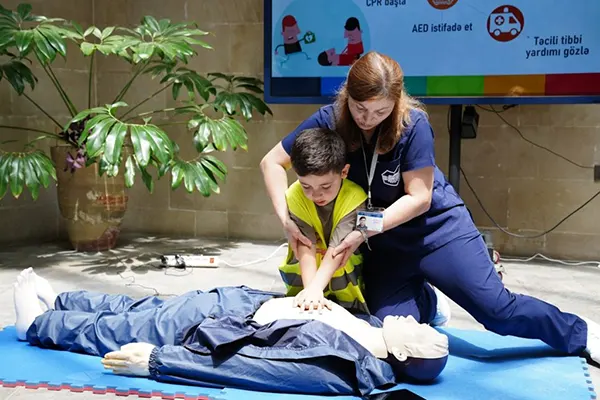
During hands-on CPR training, you’ll learn how to perform compressions and rescue breaths on adult, child, and infant mannequins. Instructors demonstrate the proper method, including where you place your hands, how deep you push, and how you maintain a steady pace. You’ll practice on your own while receiving feedback from the instructor. This step is critical because CPR requires the right amount of force, technique, and rhythm. You will also learn how you operate an AED, including placing pads and following the device’s automated prompts. Practicing these steps in a safe controlled environment builds necessary confidence.
Learning AED Skills in CPR Certification Classes
AED training is a major component of modern CPR certification courses. Using an AED can increase a person’s chance of survival because it restores the heart’s normal rhythm. During training, instructors walk you through each step, from powering on the device to following the voice commands. You’ll practice attaching the pads to the mannequin in the correct positions and ensuring the area is safe before delivering a shock. You will also learn what to do if the AED analyzes the heart rhythm and determines that no shock is required. Understanding AED use ensures you can respond with confidence during cardiac emergencies.
The Benefits of Being CPR Certified
Beyond the ability to save lives, CPR certification has several personal and professional benefits. Many businesses require or prefer certified employees because it makes the workplace safer. Certification can also help teachers, childcare workers, fitness instructors, coaches, and healthcare professionals. On a personal level, knowing how to respond during an emergency gives you peace of mind—if you care for children, elderly family members, or individuals with health risks. CPR is a skill you hope to never use but will appreciate if you need it. The sense of preparedness is empowering and invaluable.
Conclusion
Getting certified for CPR is a meaningful step toward becoming more capable, confident and helpful during medical emergencies. CPR certification equips you with essential skills that can save lives and make you an invaluable asset at home, at work and in your community. Understanding where to take classes, what the training includes and how certification works ensures you are prepared for the process. With consistent renewal and hands-on practice, you’ll stay ready to act when seconds matter most. CPR certification is a commitment to safety that benefits everyone around you.
