
Communities play a vital role in shaping public understanding of health issues. While large organizations often provide research and funding, it is local action that brings awareness into everyday life. When neighbors, schools, businesses, and volunteers come together around a shared cause, the message becomes more personal and more powerful.
Health-related awareness efforts succeed when they educate, inspire conversation, and invite participation. Across cities and towns, people continue to find creative ways to draw attention to important issues such as cancer prevention, mental wellness, heart health, and access to care. These approaches show how connection and creativity can transform awareness into lasting impact.
Community Walks, Runs, and Fitness Events
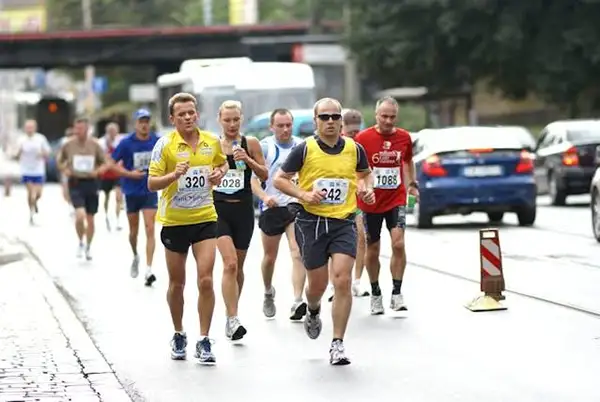
Movement-based events remain one of the most effective ways to rally people around a health cause. Walks and runs encourage participation from all age groups and fitness levels while reinforcing the message of physical wellbeing. These events often benefit causes such as heart disease awareness, cancer research, or diabetes education.
Beyond fundraising, these gatherings foster visibility. Streets filled with participants wearing coordinated colors or messages create a visual reminder of the cause. Many communities enhance these events with educational booths, health screenings, and local speakers who share personal stories.
Creative elements increase engagement. Finish line celebrations, music, and meaningful keepsakes like custom medals help participants feel connected to both the event and the mission it supports.
Arts, Culture, and Storytelling as Awareness Tools
Art offers a powerful way to communicate complex health messages without relying solely on data. Community murals, gallery exhibits, theater performances, and film screenings allow individuals to explore health topics through emotion and storytelling.
Local artists often collaborate with advocacy groups to highlight experiences related to illness, recovery, or caregiving. These projects give voice to people who may otherwise go unheard and encourage empathy among viewers.
Public art installations in shared spaces extend the message beyond traditional venues. When art becomes part of the daily environment, awareness moves from a scheduled event into ongoing conversation.
Educational Workshops and Interactive Programming
Knowledge empowers people to make healthier choices for themselves and their families. Community led workshops provide practical information in accessible formats. Topics may include nutrition, stress management, early detection, or navigating healthcare resources.
Interactive elements increase effectiveness. Demonstrations, question and answer sessions, and hands-on activities help participants retain information and feel more confident about applying what they learn. Partnering with local health professionals builds trust and ensures accuracy.
Schools, libraries, and community centers often serve as ideal locations for these programs. By meeting people where they already gather, education becomes a natural part of community life.
Digital Campaigns with Local Voices
Online platforms allow communities to extend their reach beyond physical boundaries. Social media campaigns featuring local stories humanize health topics and encourage sharing among networks. Short videos, testimonials, and educational graphics can spread awareness quickly and affordably.
What makes these campaigns successful is authenticity. People respond to real voices rather than generic messaging. When community members share their experiences with prevention, diagnosis, or recovery, others feel encouraged to engage and learn.
Hashtag campaigns tied to local events or causes help unify messaging and track participation. Digital tools also allow organizers to maintain momentum after in person activities conclude.
Partnerships with Local Businesses and Organizations
Local businesses frequently support health awareness through partnerships that benefit both the cause and the community. Sponsored events, donation days, and informational displays bring health topics into everyday spaces such as cafes, gyms, and retail stores.
Employers may host wellness days or educational sessions for staff, extending awareness into the workplace. Faith based groups, nonprofits, and civic organizations can also amplify outreach by sharing resources and hosting joint initiatives.
These partnerships demonstrate that health awareness is a shared responsibility rather than the task of any single group.
Conclusion
Raising awareness for health causes requires creativity, collaboration, and commitment. Communities across the country show that effective outreach does not depend on large budgets or complex strategies. Instead, it grows from shared purpose and thoughtful engagement.
Through events, art, education, digital storytelling, and partnerships, communities bring important health messages into daily life. These efforts build understanding, encourage prevention, and strengthen connections among people. When awareness begins at the local level, it creates lasting change that extends far beyond a single campaign.
