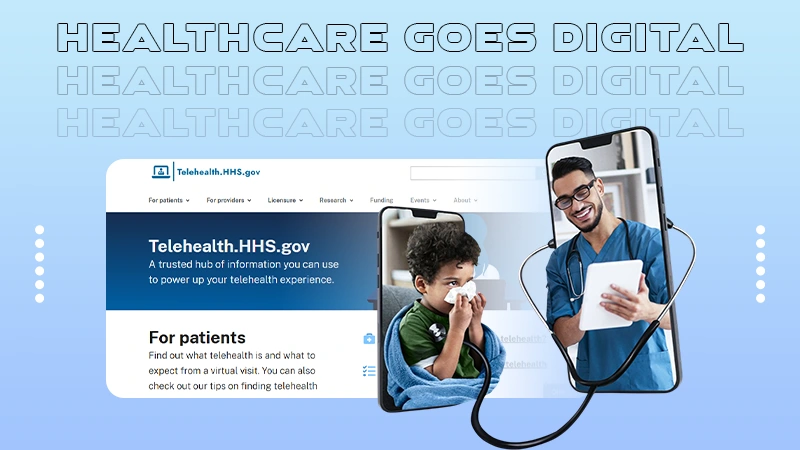
Healthcare used to revolve around brief, infrequent interactions: a scheduled appointment, a paper chart, and a follow-up weeks or months later. Today, technology has expanded the patient experience far beyond the exam room. From appointment scheduling and communication to documentation and follow-up care, digital tools increasingly shape how patients interact with providers and how care feels on a day-to-day basis.
This shift isn’t just about efficiency. It’s about access, understanding, and continuity. When implemented thoughtfully, technology can reduce friction, improve communication, and help patients feel more informed and supported throughout their care journey.
From Transactions to Ongoing Experiences
Historically, healthcare encounters were transactional. Patients arrived with a problem, received treatment, and left with limited visibility into what happened next. Technology has helped transform this model into an ongoing experience.
Patient portals, secure messaging, and digital reminders allow individuals to engage with their care between visits. Test results are accessible sooner, questions can be addressed without another appointment, and care plans are easier to review and understand.
This continuity helps patients feel less like passive recipients and more like active participants. The experience becomes less fragmented and more connected over time.
Improving Communication and Understanding
Clear communication is one of the most important factors in patient satisfaction. Yet misunderstandings around diagnoses, instructions, or next steps are common. Technology helps bridge this gap by making information easier to share and revisit.
Digital summaries, educational resources, and follow-up messages reinforce what was discussed during visits. Patients can review instructions at their own pace, reducing anxiety and confusion. This is especially valuable for individuals managing chronic conditions or complex treatment plans.
When communication improves, trust tends to follow. Patients who understand their care are more likely to adhere to recommendations and feel confident in their providers.
Reducing Administrative Burden on Providers
Patient experience is closely tied to provider experience. When clinicians are overwhelmed by administrative tasks, it affects the quality of interactions. Technology plays a key role in reducing this burden.
Automated documentation, scheduling tools, and integrated records free up time that can be spent listening to patients rather than navigating paperwork. For example, tools like AI SOAP notes in therapeutic use are designed to streamline clinical documentation, allowing providers to capture essential information efficiently without detracting from face-to-face engagement.
When providers are less distracted by administrative demands, patients benefit from more attentive and meaningful encounters.
Personalization and Patient–Centered Care
Technology enables a more personalized approach to care. Digital records allow providers to see a patient’s history, preferences, and patterns at a glance. This context supports care that feels tailored rather than generic.
Remote monitoring devices and health apps further extend personalization. Patients can track symptoms, activity, or medication adherence, sharing data that informs more precise decisions. This feedback loop helps care adapt to real-world conditions rather than relying solely on occasional office visits.
Personalization also supports equity. Technology can help identify gaps in care and ensure that follow-ups and resources reach those who need them most.
Access and Convenience as Core Expectations
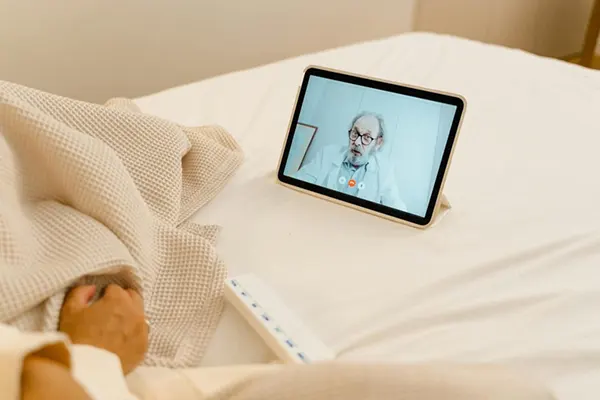
Access has become a defining element of patient experience. Telehealth, online scheduling, and digital check-ins reduce barriers related to travel, time off work, or mobility challenges. For many patients, these options make care more attainable.
Convenience doesn’t mean compromising quality. When technology is used appropriately, virtual visits and digital tools complement in-person care rather than replace it. Patients appreciate having choices that fit their circumstances.
As expectations evolve, access and convenience are no longer viewed as perks—they are integral to how patients evaluate their care.
Data, Privacy, and Patient Trust
With increased digitization comes increased responsibility. Patients trust healthcare systems with sensitive personal information, and that trust must be protected. Security, privacy, and transparency are essential components of patient experience.
Clear communication about how data is used and protected helps maintain confidence. Systems that prioritize compliance and ethical data handling reinforce trust rather than erode it.
When patients feel secure, they are more willing to engage with digital tools, share information, and participate actively in their care.
The Human Element Still Matters
Technology reshapes healthcare, but it doesn’t replace the human element. Empathy, listening, and connection remain central to healing. The most effective systems are those that enhance—not overshadow—these qualities.
Patients respond positively when technology supports relationships rather than creating distance. Tools that reduce friction and improve clarity allow providers to focus on what matters most: understanding and supporting the person in front of them.
The future of patient experience lies in this balance between innovation and humanity.
Conclusion
Technology is reshaping the way patients experience care by improving communication, access, personalization, and continuity. When designed with intention, digital tools reduce administrative friction, support clearer understanding, and create more connected healthcare journeys.
The most meaningful advances are not about replacing human interaction, but about making it better. As healthcare continues to evolve, patient experience will be shaped not just by what technology can do, but by how thoughtfully it is integrated into care.