
The idea of growing old in the comfort of your home brings a sense of peace to most people. Sometimes, medical diagnoses make it challenging to age in place long term. The need for a caregiver, specialized diets, medications, can all make it harder to stay home instead of going to a nursing home. But in many cases, with the right planning, you and your loved ones can grow old in the safety of home. There are many reasons why this is appealing, so let’s take a look at them.
There is Funding for Care Through Medicare
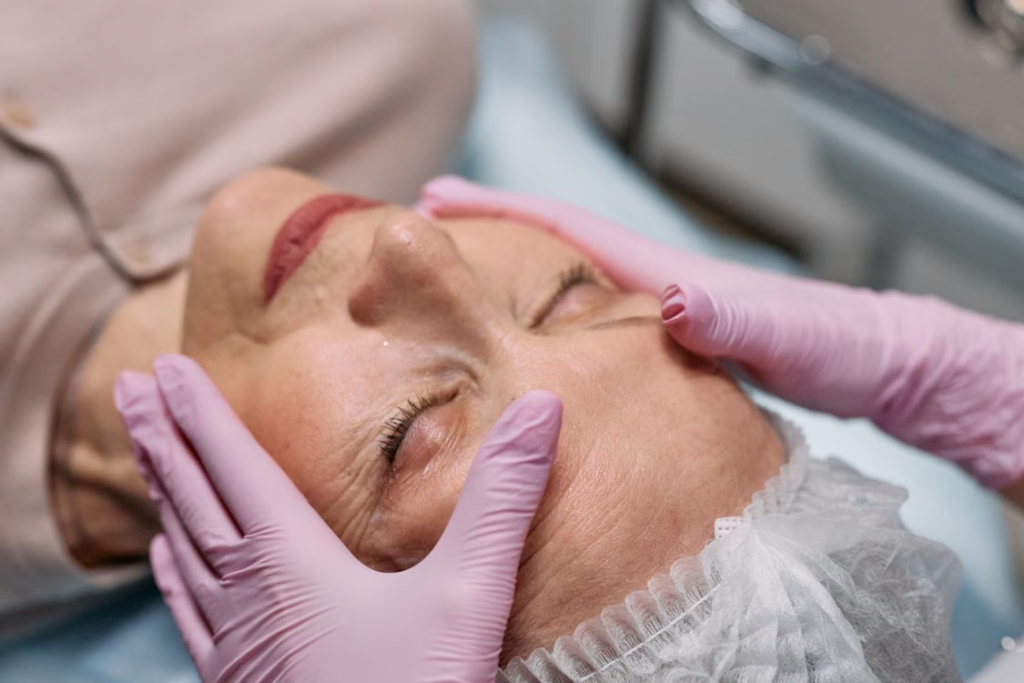
When trying to decide between aging in place or going to a care facility, the issue of cost always comes up. The most important thing to know is that there are options for getting care at home, and there are ways to fund it besides your bank account. And often, these costs can be lower. One of the first places to look is to see if you qualify for Medicare coverage for home health care.
When you need skilled care providers, like nurses, physical therapists, and CNAs to provide care, Medicare coverage may be an option. While it won’t cover 24/7 care, if you or your loved one wants to age in place and still get the medical services needed, this may be an option. It’s important to work with your doctor to get the paperwork done and then work with Medicare to ensure you meet all the criteria.
Invest in the Right Equipment
To age in place well, it’s crucial to have the right equipment for elderly care. Whether it’s a bed rail so they don’t fall out at night, the right walker, or even custom shoes to help with gait and walking, these tools make all the difference. They help to meet important physical needs, create safety, and can help lower the risk of injury. These tools are not an easy way out, instead they are essential for creating the independence people want and need as they get older.
More Independence
One of the most important benefits of aging in place is independence. Choosing when to go places, what and when to eat, and getting to have the people you love come visit when it works for you is crucial. Many seniors experience a lot of anxiety and depression over their loss of independence. Aging in place can still give them the freedoms they desire, even if they have to call in a little extra help from time to time.
It’s one of the biggest reasons why people choose to stay home instead of going to a nursing facility for as long as possible. To support the desire for independent living, it may be important to rethink some of the spaces to make it function better. This may mean keeping things they use in the kitchen within reach, installing grab bars and benches in tubs, and even adding ramps to get in and out of the house.
Staying Connected to Your Community
Aging in place helps people stay connected to their community. Whether it’s a neighbor, or a friendly face at the grocery store, community means a lot to people. Staying home helps people maintain those connections instead of losing them when they have to move into a facility. As people age it may get harder to get around, but with transportation services, Uber, and even a little help, you can still see the people who make you smile each day. A good community helps people have better health outcomes, less stress, and even keeps their brains active and healthy.
Better Health Outcomes
Staying in your own home instead of moving to a care facility has significant mental health benefits. People often struggle with isolation, being in a new place, and learning new routines at a nursing home or assisted living home. Aging in place creates a sense of peace and safety that’s essential for mental health. Their home is where they made memories, have their decorations and belongings, and where they can easily feel at ease.
Being home also slows the progression of mental decline like dementia and Alzheimer’s disease. A home environment allows more freedom to connect with hobbies and people in a way that keeps their minds sharp. Plus, they aren’t in as much risk of infection the same way that they would be at a care home.
