
Healthcare is a universal need for people at some point in their lives. Whether for an injury, a surgery, or a long-term illness, accessing healthcare should be affordable and easy to get. Technology advancements are helping people in many different ways. From providing interpreter services in almost every language to offering better medication management for people with long-term medication needs, these solutions are bringing healthcare everywhere it needs to be.
Health Interpreter Services
One of the challenges in healthcare has always been offering adequate translation services to people who have language barriers. Even if people know some of a second language, it’s often easier to communicate the full depths of a medical issue in their first language. Unfortunately, most medical facilities cannot ensure that they have someone who can speak every language out there.
A better solution is to have access to on-demand translation services. These healthcare interpreters can be accessed in less than a minute, and connected through secure telehealth portals right there at the medical facility. This ensures that the patient and provider can both communicate clearly. This ensures that the right tests get run so that an accurate diagnosis can be made.
Improved Telemedicine
While interpreters are one way to use telemedicine technology, others offer unparalleled accessibility to medical care. Rural residents can now connect with doctors hours away to treat medical conditions without needing to take a long trip. This means that patients can get treatment sooner and sometimes under the supervision of a local doctor. This means that specialists who were once hard to connect with can now partner with rural medical professionals to help oversee treatments and diagnoses.
Telemedicine technology also offers lower cost appointments, and greater convenience for parents and care providers. Instead of needing to find care for children, parents can now access medical appointments from the comfort of home.
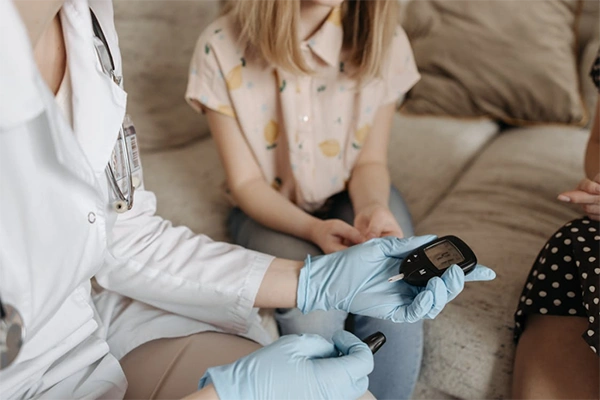
Other services that telemedicine can help with include remote monitoring of chronic conditions like diabetes and low oxygen levels. Patients can wear monitors that alert caregivers and medical providers. This can mean earlier interventions that may help improve health and reduce hospital visits.
Health Literacy Partnerships
Let’s be honest, medical terminology is difficult to understand. Health literacy partnerships are helping people better understand the medical world. Through initiatives that provide materials in simpler terms, visual guides that help explain medical procedures, and even digital videos to refer back to for managing conditions from home.
These connections make healthcare more accessible in a way that helps people make better decisions about their health. When you can understand what you need to do, it makes it easier to follow through long after you leave the doctor’s office. Plus, many employers now offer wellness benefits and communities in lower income areas have community resources that are teaching better prevention which improves health for everyone.
Better Healthcare Design for People With Disabilities
Healthcare systems were not designed for people with disabilities, but it’s getting better. While accessibility features like braille and elevators have existed for a long time, other accessibility features are just now coming into the healthcare system. Automatic doors and wider doorways help people with different mobility aids access rooms and the building. Electronic check in systems have sound options for people with vision problems.
Other accessibility features can include things like better lighting and reduced noise for people with sensory issues. It can also mean adjustable exam tables so that people don’t need to climb up so high. It’s sometimes the little things that make the biggest difference in healthcare spaces so that everyone can access them.
Medication Management Advancements
People who have a variety of medications to take can sometimes feel overwhelmed by the medication schedules. Trying to take everything each day can be a challenge. The good news is that there are now smart pill dispensers and smartphone alerts that can help people take exactly what they need and when they need it. No guessing if something got taken today or not. There are also AI apps that can help reduce duplicate medication ordering which saves time and money over the long run. Plus, caregivers and healthcare providers can monitor some of these systems remotely ensuring that patients are able to take their medications as directed and without barriers.
