
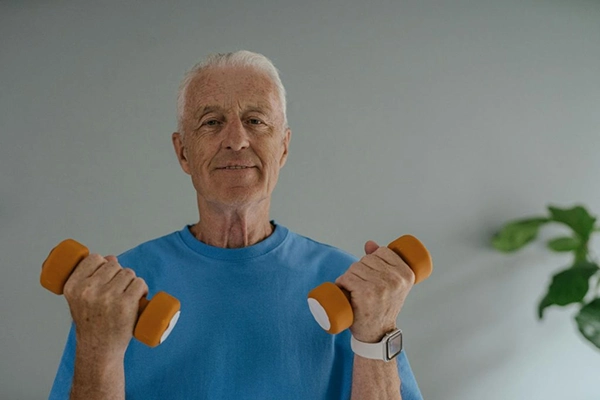
The second half of life is increasingly being viewed as a period of refinement rather than decline. As longer lifespans and evolving cultural attitudes reshape expectations around aging, wellness is no longer defined only by the absence of illness. Instead, it reflects a holistic approach that blends physical vitality, emotional balance, intellectual engagement, and aesthetic satisfaction. Ageless aesthetics capture this broader understanding, emphasizing environments and experiences that support dignity, beauty, and purpose at every stage of life.
Rather than striving to look younger, many individuals are focused on feeling aligned with who they are now. Wellness becomes an expression of authenticity, where surroundings, routines, and self care choices reflect personal values. This perspective invites a redefinition of aging that honors experience while nurturing continued growth.
The Evolution of Wellness Beyond Physical Health
Traditional definitions of wellness once centered primarily on physical condition and medical care. While these remain essential, they no longer tell the full story. Emotional wellbeing, mental stimulation, and environmental harmony now play equally important roles in overall health, particularly later in life.
As people age, daily experiences take on greater significance. How spaces feel, how light interacts with rooms, and how easily one can engage with others all influence wellbeing. Wellness becomes less about intervention and more about thoughtful design choices that support comfort and confidence. This shift acknowledges that aging is not something to manage, but something to live fully.
Aesthetic Environments and Emotional Wellbeing
Aesthetics are deeply connected to emotional health. Living environments that feel balanced, welcoming, and visually pleasing can positively influence mood and reduce stress. Colors, textures, and spatial flow help create a sense of ease that supports relaxation and clarity.
In later life, these details take on heightened importance. Environments that are overly clinical or impersonal can subtly diminish confidence. Conversely, spaces designed with care encourage pride and self expression. Incorporating meaningful personal items, natural light, and thoughtful layout helps individuals feel grounded and seen. Discussions about wellness centered design often include references to how environments such as Seaton Springwood reflect broader industry awareness of aesthetics as a component of emotional and cognitive health rather than a superficial concern.
Redefining Self Care as a Lifelong Practice
Self care evolves with age, moving beyond trends toward practices rooted in sustainability and authenticity. Ageless wellness emphasizes consistency rather than intensity. Gentle movement, proper rest, and mindful nutrition form a foundation that supports energy and resilience.
Equally important is mental and emotional self care. Engaging in creative pursuits, maintaining social relationships, and allowing time for reflection support a sense of balance. Wellness becomes about listening closely to the body and mind rather than pushing against limitations.
This approach reframes self care as respect. It encourages individuals to honor their lived experience while remaining open to learning new ways of caring for themselves. Age becomes a source of insight rather than a barrier to wellbeing.
The Role of Choice and Personal Expression
Aesthetics in the second half of life are deeply personal. Wellness does not follow a single formula. Instead, it thrives when individuals have the freedom to express preferences and adapt their environments accordingly. Choice reinforces autonomy, which is a critical component of psychological health.
Personal expression can appear through daily routines, living spaces, clothing, or activities. Feeling aligned with one’s surroundings supports confidence and reduces friction in daily life. When people feel able to shape their environment, they are more likely to remain engaged and present.
This sense of control extends beyond aesthetics into broader lifestyle decisions. Choosing how to spend time, who to connect with, and how to structure each day reinforces purpose and identity. Wellness becomes an ongoing dialogue rather than a fixed destination.
Aging as a Platform for Growth and Refinement
One of the most powerful elements of ageless aesthetics is the recognition that growth continues throughout life. The second half of life often brings clarity about priorities and values. With external pressures reduced, many individuals embrace refinement over accumulation.
Wellness practices align with this mindset by focusing on depth rather than volume. Meaningful relationships, intentional living, and environments that support calm become central. Aesthetic choices reflect simplicity and balance, offering space for reflection and enjoyment.
This stage of life encourages a reexamination of what truly matters. By aligning aesthetics with inner values, individuals create a wellness experience that feels integrated rather than imposed.
Conclusion
Ageless aesthetics represent a modern understanding of wellness that honors both body and spirit in the second half of life. By embracing environments that support emotional comfort, personal expression, and ongoing growth, individuals redefine aging as a period of richness and alignment.
Wellness becomes less about resisting time and more about living intentionally within it. When aesthetics and self care work together, the second half of life offers not decline, but a refined sense of balance, beauty, and purpose shaped by experience and choice.
