
Author
Team Healthgroovy
From Crutches to Independence: How Physical Therapy Transitions Patients Off Mobility Aids
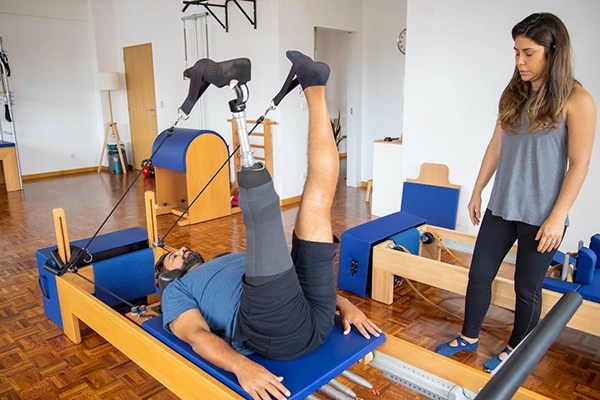
Regaining independence after an injury or surgery is not only a physical achievement but also a deeply personal one. For many people, mobility aids such as crutches or walkers become lifelines during recovery. However, they are designed to be temporary supports rather than permanent solutions. This is where physical therapy plays a crucial role.
Through expert guidance, patients learn to move with greater ease, build strength, and trust their bodies again. The process is not about rushing. Instead, it is about progressing with purpose and confidence.
In this article, we will explore how physical therapy helps individuals safely transition away from mobility aids and return to doing what they love, one step at a time. Independence should not be viewed only as a goal but as an ongoing journey.
Understanding Mobility Aids and Their Role in Recovery
Mobility aids such as crutches, walkers, canes, treatment tables, and wheelchairs play an essential role in recovery after injury, surgery, or when living with a chronic condition.
These tools do far more than simply assist people in getting from one place to another. They reduce strain on healing muscles and joints, prevent falls, and provide confidence that allows individuals to remain active throughout recovery.
Crutches and walkers are particularly valuable when weight-bearing ability is restricted. Canes provide balance and stability, while wheelchairs offer full mobility for those unable to walk for long periods.
Using the right aid at the right stage of recovery can speed up healing and protect against further injury. However, selecting the most suitable device and learning how to use it properly can feel overwhelming.
That is where the Active Mobility website becomes an important resource. It provides not only a wide range of equipment but also expert guidance to help people facing mobility challenges. Whether someone is seeking the right walking aid or simply wants to learn more about mobility support, the site offers both products and educational tools to aid recovery.
Mobility aids should be seen as tools rather than limitations. With proper support, they can serve as a bridge between injury and independence.
The Role of Physical Therapy in Rebuilding Strength and Confidence
Physical therapy is not only about healing. It is about rebuilding strength, balance, endurance, and coordination so people can move with confidence again. Through targeted exercises and professional guidance, therapists help individuals regain stability, prevent falls, and re-enter daily life with greater resilience.
What makes physical therapy particularly effective is its personalised approach. Every program is tailored to the individual, whether they are recovering from surgery, managing a condition, or addressing the effects of ageing. Factors such as the type of injury, fitness level, age, and personal goals shape each treatment plan.
This customised care ensures that progress remains safe, effective, and meaningful. Patients are not merely completing a checklist of movements. They are building the strength and resilience of their bodies while regaining confidence. With every improved step, reach, or lift, physical therapy allows individuals to reclaim their independence and hold on to it.
Signs It’s Time to Transition Off Mobility Aids
Recognising when to set aside mobility aids such as crutches or walkers marks a significant milestone in recovery. Signs that someone may be ready to progress include Improved balance, reduced pain, and increased range of motion. As strength returns, these aids should begin to feel less like necessities and more like optional supports.
A professional evaluation remains essential, even if someone feels ready. Physiotherapists and doctors can assess gait, stability, and overall mobility to confirm that it is safe to reduce or eliminate the aid. A gradual and guided transition, which begins with partial weight-bearing and moves toward full weight-bearing without crutches, allows the body to adapt and avoids setbacks.
In simple terms, steadier steps and reduced discomfort indicate progress. However, consulting a therapist or doctor first is always the safest way to move forward with confidence.
Gradual Steps: Weaning Off Crutches or Walkers Safely
The process of moving away from crutches or walkers requires patience, progress, and professional support. Physical therapists typically begin with weight-bearing exercises that reduce stress on healing limbs. These exercises often start with as little as 25 percent of body weight and gradually increase as comfort and strength return.
Alongside weight-bearing, gait training becomes essential. During gait training, therapists analyse walking patterns and help patients practise functional steps across different surfaces. This retraining builds both coordination and balance.
Working with a therapist to create achievable milestones makes the journey more manageable. For example, someone may move from using two crutches to one, gradually increase weight-bearing week by week, or master a smoother walking pattern before progressing to greater independence.
Treatment protocols frequently outline clear benchmarks. For instance, partial weight-bearing may progress to full weight-bearing within a set timeframe. These structured plans keep both the therapist and the patient aligned on goals while ensuring safety. With steady progress and expert guidance, the shift from mobility aids to confident walking becomes less daunting and far more empowering.
Independence Starts with the Right Support
Mobility aids represent progress rather than setbacks, and physical therapy helps transform that progress into lasting independence. With the right plan, correct timing, and professional support, anyone can move from reliance on aids to freedom of movement. Recovery is not solely about walking again. It is about regaining the ability to live fully.
