
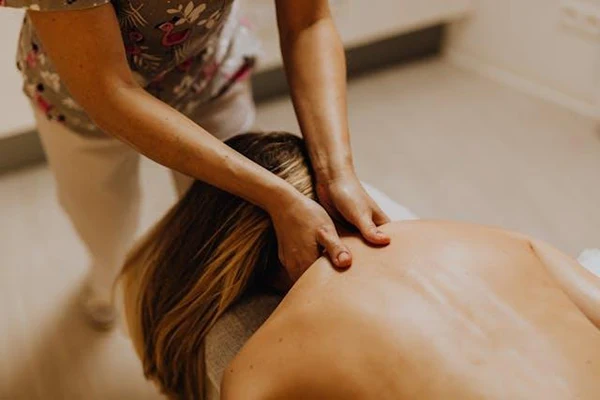
Massage therapy has been practiced for centuries as a way to promote relaxation and healing. Once viewed primarily as a luxury, it is now widely recognized for its medical and therapeutic value. From reducing physical pain to supporting mental wellness, massage offers measurable benefits that extend well beyond temporary comfort. As healthcare continues to embrace holistic approaches, massage therapy has earned its place as a valuable complement to traditional medical care.
Modern lifestyles often involve long hours of sitting, elevated stress levels, and limited opportunities for recovery. These factors place strain on the body and mind, leading to chronic discomfort and fatigue. Massage therapy addresses these challenges by engaging the body’s natural healing mechanisms, promoting balance, and encouraging long-term wellness.
Relief From Muscle Tension and Chronic Pain
One of the most well-known medical benefits of massage therapy is its ability to relieve muscle tension and pain. Repetitive movements, poor posture, and physical stress create tightness in muscle fibers that can restrict movement and cause discomfort. Massage techniques such as kneading, compression, and stretching help loosen these fibers and improve elasticity.
For individuals experiencing chronic pain conditions, massage therapy may reduce reliance on medication. By increasing blood flow to affected areas, massage helps deliver oxygen and nutrients that support tissue repair. This improved circulation can also assist in removing metabolic waste that contributes to soreness and stiffness.
Massage is commonly used to manage conditions such as lower back pain, neck strain, and tension headaches. Regular sessions may improve range of motion, support joint health, and enhance physical function over time.
Improved Circulation and Lymphatic Function
Massage therapy supports healthy circulation by encouraging blood flow throughout the body. Manual pressure applied during massage helps move blood toward congested areas, improving oxygen delivery to muscles and organs. Enhanced circulation supports healing and contributes to a greater sense of overall vitality.
The lymphatic system also benefits from massage. This system plays a critical role in immune function by removing toxins and waste from the body. Certain massage techniques stimulate lymphatic drainage, helping reduce fluid retention and supporting the body’s natural detoxification processes.
Improved circulation and lymphatic movement contribute to reduced inflammation and faster recovery from physical stress. These effects make massage therapy a valuable option for individuals recovering from injury or managing inflammatory conditions.
Stress Reduction and Nervous System Regulation
Stress affects nearly every system in the body, influencing sleep, digestion, and immune response. Massage therapy has been shown to activate the parasympathetic nervous system, which helps the body shift from a state of alertness to one of rest and recovery.
As muscles relax, levels of stress hormones such as cortisol may decrease. At the same time, massage encourages the release of endorphins and serotonin, chemicals associated with wellbeing and emotional balance. This physiological response explains why many people feel calmer and more centered after a session.
Reducing stress through massage can have long-term benefits, including improved sleep quality, lower blood pressure, and enhanced emotional resilience. For individuals managing anxiety or burnout, massage provides a structured opportunity to reset both mentally and physically.
Support for Posture and Functional Alignment
Poor posture is a common contributor to pain and fatigue. Prolonged sitting and repetitive movements encourage muscle imbalances that pull the body out of alignment. Massage therapy helps address these issues by targeting overworked muscles and allowing underused muscles to reengage.
By releasing chronically tight areas, massage makes it easier for the body to return to a neutral posture. Improved alignment reduces strain on joints and connective tissue, supporting more efficient movement patterns.
When combined with stretching and ergonomic adjustments, massage therapy can play a role in preventing repetitive strain injuries. Professionals who spend long hours at desks or in physically demanding roles often benefit from integrating massage into their wellness routines.
Massage Therapy as Part of Preventive Care
Preventive healthcare focuses on maintaining wellness before problems become severe. Massage therapy aligns with this approach by addressing tension and imbalances early. Routine sessions help individuals stay in tune with their bodies and recognize areas of concern sooner.
Massage is increasingly recommended as part of integrative care plans alongside physical therapy and medical treatment. Healthcare providers recognize that manual therapies can enhance recovery and improve patient comfort when used appropriately.
Many people discover massage therapy while seeking relaxation, then continue because they recognize its health benefits. Even the best spa in Denver combines therapeutic expertise with calming environments, showing how massage can be both medically beneficial and genuinely restorative.
Enhancing Overall Quality of Life
The cumulative benefits of massage therapy influence daily life in meaningful ways. Reduced pain, improved sleep, and emotional balance contribute to higher energy levels and better focus. When the body functions with less tension, everyday tasks feel easier and more enjoyable.
Quality of life is closely tied to physical comfort and mental clarity. Massage therapy supports both by encouraging the body to recover from stress and by providing moments of intentional rest. These effects can be especially valuable for individuals managing chronic conditions or high stress careers.
As awareness of holistic health grows, massage therapy continues to be recognized as a practical and evidence supported tool for improving wellbeing.
Conclusion
Massage therapy offers more than relaxation. Its medical benefits include pain relief, improved circulation, stress reduction, and support for overall physical function. Through regular and thoughtful application, massage engages the body’s natural healing processes and promotes long term balance.
As part of a comprehensive wellness approach, massage therapy helps individuals manage strain, recover from physical challenges, and maintain a healthier connection between mind and body. With its wide range of therapeutic benefits, massage remains a powerful ally in modern preventive and integrative care.
