
- Prepare With a Clear Plan Before You Start
- Focus on Quality Over Quantity
- Manage Time and Rest Periods Wisely
- Maintain Focus and Reduce Distractions
- Use Progress Tracking to Guide Effort
- Optimize Warm Ups and Transitions
- Use Training Tools Strategically
- Balance Effort With Proper Recovery
- Adjust Workouts Based on Feedback
- Conclusion
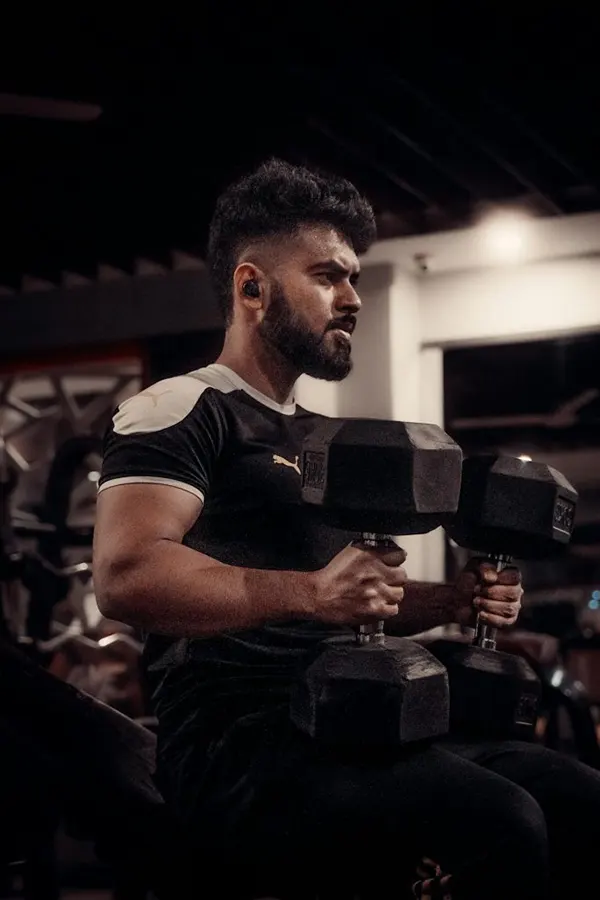
Completing workouts effectively means achieving better results without wasting time or energy. Many people exercise regularly but still feel that sessions are unproductive or rushed. Effectiveness comes from clarity, structure, and consistency rather than intensity alone. When workouts lack focus, effort is often misdirected.
Prepare With a Clear Plan Before You Start
Preparation is one of the most overlooked aspects of effective training. Walking into a workout without a plan often leads to wasted time and poor sequencing. Knowing which exercises you will perform improves flow and focus. Preparation also helps manage energy throughout the session. Structured plans prevent decision fatigue.
Writing workouts down increases accountability. Plans allow you to track progress more accurately. Preparation reduces distractions. A clear structure keeps sessions efficient. Planning sets the tone for success.
Focus on Quality Over Quantity
Completing more exercises does not always lead to better results. Rushing through movements reduces effectiveness and increases injury risk. Quality execution ensures muscles are properly engaged. Slower controlled repetitions improve focus and precision. Fewer high quality sets often outperform excessive volume.
Quality training builds better movement patterns. Fatigue should not compromise form. Precision improves long term progress. Intentional reps maximize benefit. Quality effort creates sustainable results.
Manage Time and Rest Periods Wisely
Time management plays a major role in workout effectiveness. Excessive rest slows momentum, while insufficient rest reduces performance. Rest periods should align with training goals. Strength focused sessions require more recovery than endurance focused sessions. Balanced timing maintains intensity.
Using timers helps control rest intervals. Consistent pacing improves output. Managing time prevents unnecessary delays. Efficient sessions save energy. Structure enhances productivity.
Maintain Focus and Reduce Distractions
Distractions significantly reduce workout effectiveness. Checking phones or losing focus interrupts flow. Mental engagement improves execution and intensity. Staying present enhances muscle activation. Focus supports efficiency.
Music, environment, and mindset influence concentration. Setting boundaries improves attention. Mindful training reduces wasted effort. Engagement improves outcomes. Focus multiplies effectiveness.
Use Progress Tracking to Guide Effort
Tracking workouts provides valuable feedback. Without data, it is difficult to know what is working. Recording sets, reps, and weights highlights progress patterns. Tracking reveals plateaus and opportunities for adjustment. Data supports informed decisions.
Progress tracking improves motivation. Seeing improvement reinforces consistency. Logs create accountability. Feedback guides refinement. Measurement supports effectiveness.
Optimize Warm Ups and Transitions
Warm ups prepare the body for productive work. Skipping warm ups increases injury risk and reduces output. Proper preparation improves movement quality. Efficient warm ups should activate muscles without causing fatigue. Transitions between exercises should be smooth.
Organizing equipment ahead of time saves minutes. Smooth transitions maintain intensity. Preparation reduces downtime. Warm ups improve readiness. Flow supports effectiveness.
Use Training Tools Strategically
Training tools can enhance workouts when used intentionally. Resistance bands, timers, and tracking apps provide structure. Tools should support technique and focus. Misuse can distract from goals. Strategic selection improves efficiency.
Some individuals choose to incorporate an EMS training suit during structured sessions to increase muscle engagement. This approach is meant to complement traditional workouts rather than replace them. Proper guidance and moderation are important. Tools should align with goals. Purposeful use enhances effectiveness.
Balance Effort With Proper Recovery
Effective workouts consider recovery as part of performance. Training without rest reduces output and increases fatigue. Muscles perform better when adequately recovered. Sleep quality influences workout effectiveness. Recovery supports consistency.
Rest days improve long term results. Active recovery maintains movement without stress. Ignoring recovery reduces efficiency. Balance sustains progress. Recovery completes the system.
Adjust Workouts Based on Feedback
Listening to the body improves effectiveness. Pain or excessive fatigue signals the need for adjustment. Flexibility prevents burnout. Rigid routines often fail long term. Adaptation supports sustainability. Feedback should guide modifications. Adjusting volume or intensity restores performance. Awareness improves decision making. Responsiveness enhances outcomes. Adaptation supports progress.
Conclusion
Completing workouts more effectively requires planning, focus, and consistency. Clear structure, quality execution, and time management improve results. Tracking progress and minimizing distractions enhance efficiency. Tools can support training when used with intention. Recovery and adaptability sustain performance. A thoughtful approach turns workouts into productive sessions.


