
- Start Dental Care Early in Life
- Teach Proper Brushing Techniques
- Make Flossing Part of the Routine
- Choose Toothpaste and Tools Carefully
- Encourage Healthy Eating Habits
- Schedule Regular Dental Checkups
- Protect Teeth During Sports and Play
- Address Thumb Sucking and Pacifier Use
- Make Oral Care a Positive Experience
- Be a Role Model for Good Dental Habits
- Conclusion
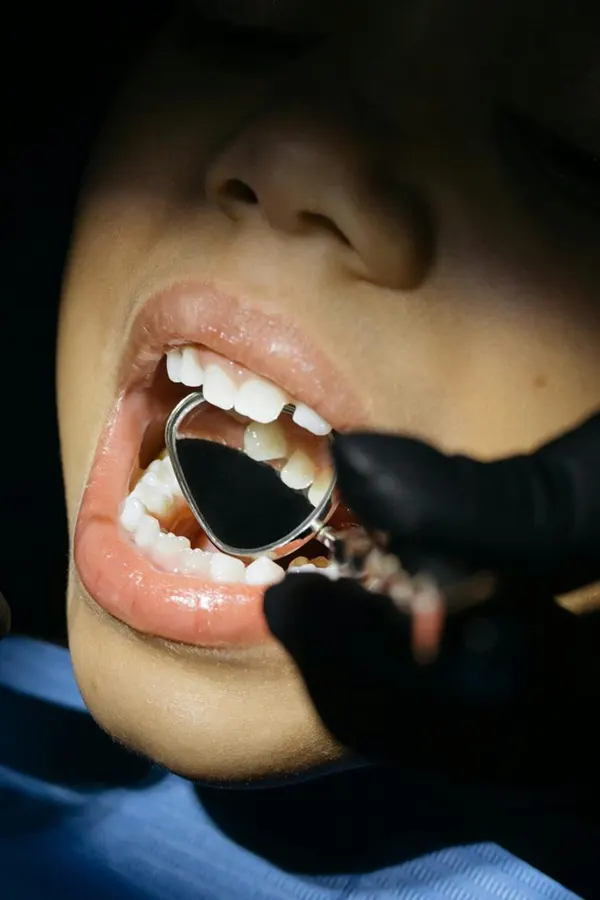
Keeping your child’s teeth healthy is one of the most important steps you can take to support their overall well‑being. Oral health affects everything from proper nutrition to speech development and self‑confidence. Many dental issues that appear in adulthood begin during childhood if good habits are not established early. Parents play a critical role in guiding daily routines and modeling healthy behaviors. With consistency and education, children can develop lifelong habits that protect their smiles.
Start Dental Care Early in Life
Dental care should begin long before a child has a full set of teeth. Cleaning an infant’s gums helps remove bacteria and introduces the idea of oral hygiene early. Once the first tooth appears, gentle brushing becomes essential. Starting early helps children become comfortable with daily dental routines.
Early habits often shape long‑term behavior. Children who grow up with consistent oral care are more likely to continue those habits into adulthood. Parents should treat dental care as a normal part of daily hygiene. Consistency builds familiarity and reduces resistance over time.
Teach Proper Brushing Techniques
Teaching children how to brush correctly is just as important as making sure they brush at all. Many kids rush through brushing or miss key areas without guidance. Parents should demonstrate proper technique and supervise brushing, especially at younger ages. Using small circular motions and brushing all surfaces ensures effective cleaning.
Brushing should last long enough to thoroughly clean teeth without causing irritation. Making brushing fun with music or routines helps keep kids engaged. Gentle reminders and encouragement reinforce good habits. Proper technique prevents plaque buildup and tooth decay.
Make Flossing Part of the Routine
Flossing is often overlooked in children’s dental routines, but it is essential for preventing cavities between teeth. As soon as teeth touch, flossing becomes necessary. Parents may need to assist until children develop proper coordination. Introducing flossing early makes it feel normal rather than optional.
Flossing removes food particles that brushing cannot reach. Without flossing, plaque can accumulate and cause decay or gum issues. Teaching children why flossing matters increases cooperation. Consistent flossing supports complete oral care.
Choose Toothpaste and Tools Carefully
Using age‑appropriate dental products supports safe and effective care. Toothpaste should contain the correct amount of fluoride for the child’s age. Using too much toothpaste can be harmful, while too little may reduce effectiveness. Parents should monitor toothpaste use closely.
Toothbrushes should be soft‑bristled and sized for small mouths. Worn brushes should be replaced regularly. Letting children choose their toothbrush can increase enthusiasm. Proper tools make daily care easier and more effective.
Encourage Healthy Eating Habits
Diet plays a major role in dental health. Sugary snacks and drinks contribute to cavities and enamel erosion. Limiting frequent sugar exposure helps protect teeth. Encouraging balanced meals supports both oral and overall health.
Water is the best beverage choice for dental health. Sticky snacks should be limited or followed by brushing. Teaching kids how food affects their teeth builds awareness. Healthy eating supports strong teeth and gums.
Schedule Regular Dental Checkups
Routine dental visits help identify issues before they become serious. Regular checkups also help children become comfortable with professional dental care. Early experiences shape how children feel about dental visits long‑term. Preventive care reduces the likelihood of extensive treatment later.
Many families choose to work with a pediatric dentist in Oceanside because specialized care focuses on children’s unique dental needs. Pediatric dentists are trained to manage developing teeth and growing jaws. Regular visits support early detection and guidance. Professional care complements daily routines at home.
Protect Teeth During Sports and Play
Active children face a higher risk of dental injuries. Sports, playground activities, and accidents can result in chipped or broken teeth. Using protective gear such as mouthguards reduces injury risk. Prevention is far easier than repair.
Parents should encourage safety without limiting activity. Mouthguards should fit properly and be worn consistently. Teaching children to care for their gear reinforces responsibility. Protecting teeth during play preserves long‑term oral health.
Address Thumb Sucking and Pacifier Use
Thumb sucking and pacifier use are common in young children, but prolonged habits can affect dental development. Extended use may impact tooth alignment or jaw growth. Parents should monitor these habits and encourage gradual reduction when appropriate. Gentle guidance is more effective than punishment.
Understanding when habits become concerning helps parents act early. Dental professionals can provide guidance if needed. Addressing habits early prevents future orthodontic issues. Awareness supports healthy development.
Make Oral Care a Positive Experience
Children are more likely to cooperate when dental care feels positive rather than stressful. Encouragement, praise, and patience help build confidence. Avoid using dental visits as threats or punishment. Positive language shapes attitudes. Creating routines helps children know what to expect. Celebrating milestones builds motivation. A calm approach reduces anxiety. Positive experiences support long‑term cooperation.
Be a Role Model for Good Dental Habits
Children often imitate adult behavior. Parents who prioritize their own oral health set a strong example. Brushing and flossing together reinforces routines. Modeling good habits shows that dental care matters. Talking openly about dental health builds understanding. When children see consistency, they are more likely to follow. Leading by example creates lasting impact. Family habits shape lifelong behavior.
Conclusion
Keeping your kid’s teeth healthy requires consistency, education, and proactive care. Early habits, proper brushing, healthy eating, and regular checkups all play essential roles. Parents who stay involved help prevent dental problems before they begin. A positive, routine‑based approach supports both comfort and confidence. With the right strategies, children can enjoy strong, healthy smiles for years to come.
